How Much Oil Does a 3 Ton Floor Jack Hold?
Most 3 ton floor jacks hold about 10 to 12 oz of hydraulic oil, though the exact figure depends on the reservoir size and the jack's design. The reliable number is the one printed in your jack's manual, or the level you measure when the jack is new and working well.
On this page (8 sections)
- How much oil does a 3 ton floor jack hold?
- Does a 3 ton jack hold more oil than a 2 ton jack?
- How do you find the oil level on a 3 ton floor jack?
- What oil should you put in a floor jack?
- How do you change the oil in a floor jack?
- How do you spot a leak before the oil runs low?
- How does a 3 ton jack's size affect its oil needs?
- Which 3 ton jack should you buy if oil upkeep matters?
Most 3 ton floor jacks hold about 10 to 12 oz of hydraulic oil, though the exact figure depends on the reservoir size and the jack's design. The reliable number is the one printed in your jack's manual, or the level you measure when the jack is new and working well.
This guide covers how the oil capacity differs from a 2 ton jack, how to read the level on your own jack, and how to top it up without overfilling.
How much oil does a 3 ton floor jack hold?
Expect roughly 10 to 12 oz for a 3 ton jack, and less for smaller jacks. The oil lives in the reservoir at the base of the handle side, so the bigger the frame and ram, the more oil it takes to fill.
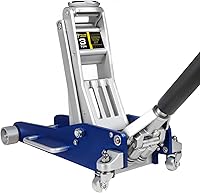
There's no single number that fits every 3 ton jack. A long-frame trolley jack like the BIG RED T83006 uses a larger reservoir than a compact low profile model, and the fill amount changes with it.
Manufacturers publish the capacity in the manual, not on the jack body, so the manual is the first place to look.
The amount also depends on how the jack is set. Oil fills the reservoir only when the ram is fully down.
If you measure with the saddle raised, you'll get a false reading and could overfill it.
Treat 10 to 12 oz as a planning range for buying a bottle of jack oil. The real figure for your jack comes from the manual or from measuring a fresh fill.
Does a 3 ton jack hold more oil than a 2 ton jack?
Yes, a 3 ton jack usually holds a little more oil than a 2 ton, because its ram and reservoir are larger. The gap is small though, often only 2 to 4 oz.
Capacity and oil volume aren't the same thing. The rating tells you how much weight the jack can lift; the oil volume tells you how much fluid the pump needs to work.
A 2 ton jack may hold 6 to 8 oz while a 3 ton holds 10 to 12 oz.
Our related guide on how much hydraulic fluid a floor jack holds breaks down the capacity for each size. It's a useful reference if you own more than one jack or are moving up from a 2 ton to a 3 ton.
Don't assume a heavier rated jack always takes more oil. A low profile 3 ton jack may hold less than a long-frame 2 ton because the frame is shorter.
Measure or check the manual rather than guessing by weight class.
How do you find the oil level on a 3 ton floor jack?
Lower the jack fully, then look at the fill plug on the reservoir on the handle side. The correct level is usually even with the bottom edge of the fill hole.
Follow these steps:
- Lower the saddle all the way and set the jack on level ground.
- Wipe dirt away from the fill plug so nothing falls into the reservoir.
- Unscrew the plug and look inside. The oil should sit at the bottom edge of the hole.
- If it's low, add jack oil a little at a time and recheck.
- Refit the plug firmly before lifting anything.
Some jacks mark the level with a dipstick on the plug. Others leave the level to the fill hole itself.
A syringe or small funnel helps you add oil without spilling.
Never check the level with a load on the saddle. The ram position changes the reading and the oil can spill out under pressure.
What oil should you put in a floor jack?
Use hydraulic jack oil, which is sold by the bottle and made for this kind of pump. It keeps seals flexible and resists foaming under load.
Don't substitute engine oil or brake fluid. Engine oil foams and can let the pump lose pressure.
Brake fluid attacks the rubber seals inside the jack. Neither is a safe shortcut, even in a pinch.
Jack oil comes in bottles around 12 to 16 oz, so one bottle covers most 3 ton jacks with some to spare. Keep a spare bottle on the shelf so a low level doesn't stall a repair.
Store the open bottle with the cap tight and the label facing up. Our guide on how to store a floor jack in your garage covers keeping the tool itself upright so oil doesn't seep past the seals between jobs.
When should you add oil?
Add oil when the jack lifts slowly, feels spongy or won't reach full height under a normal load. These signs usually point to a low reservoir.
A jack that's been bled of air will also feel soft. Top up the oil first, then bleed the air out by opening the release valve and pumping the handle several times with no load.
Don't top up as routine maintenance without checking the level. Overfilling is a common cause of leaks and slow lowering.
Add only what brings the level to the mark.
How do you change the oil in a floor jack?
Drain the old oil, flush if needed, then refill to the mark. Change it when the oil looks dark or dirty, or when the jack has been sluggish for a while after a top-up.
To change it:
- Lower the saddle and remove the fill plug.
- Tilt or tip the jack as the manual directs to pour the old oil into a container.
- Wipe the reservoir and let it drain fully.
- Refill with fresh jack oil to the bottom edge of the fill hole.
- Refit the plug, then bleed the air out before use.
Dispose of the old oil at a recycling center, not down a drain. A 3 ton jack only needs a small amount, so a single bottle goes a long way.
How do you spot a leak before the oil runs low?
Look for oily film on the ram, around the release valve and under the frame each time you use the jack. A slow leak can drain a reservoir over months without a visible puddle.
Wipe the jack down after use so fresh oil stands out against a clean surface. Check the floor where you park it, and look at the saddle and pump area.
A jack that loses height under load or sinks slowly points to a seal problem. Topping up won't fix a worn seal; the leak returns and the jack stays unsafe.
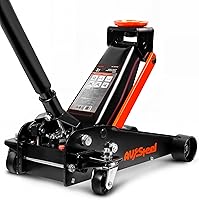
The safety valve in a jack like the Maxority model guards against overloading, but it can't stop a worn seal from leaking. If oil keeps dropping after a top-up, stop using the jack and get it checked or replaced.
How does a 3 ton jack's size affect its oil needs?
Bigger jacks usually hold more oil, but the difference is small. A long-frame trolley jack holds more than a compact low profile model, and a dual piston pump can move more oil per stroke.
The AV Steel low profile jack uses two pump pistons and starts at 3-1/8 inches, which suits low cars. That dual pump design doesn't change how much oil it holds much, but it does lift faster.
Weight matters too. A heavier jack often carries a larger reservoir, so check its manual before buying oil.
Our guide on how much a floor jack weighs shows how the steel frame size tracks with oil volume.
If you're comparing what a 3 ton can lift, read how much weight a 3 ton jack can lift to match the rating to your vehicle.
Which 3 ton jack should you buy if oil upkeep matters?
Pick a jack with a clear manual and easy fill access so you can top up without guessing. All three jacks here rate at 3 tons or more and need the same kind of hydraulic jack oil.
The BIG RED T83006 is the pick for taller vehicles, with its long saddle neck reaching 20-7/8 inches. The AV Steel low profile model suits low cars with its 3-1/8 inch start height.
The Maxority jack adds rapid pump technology and a safety valve in the saddle.
Whichever you choose, keep a bottle of jack oil on hand and check the level with the saddle down. A 3 ton floor jack holds about 10 to 12 oz, so one bottle covers the first fill and a few top-ups.
Measure, don't guess, and the jack will lift at full strength for years.
Frequently asked questions
What kind of oil goes in a floor jack?
Use hydraulic jack oil, not engine oil or brake fluid. Jack oil is made to keep seals and the pump working under pressure; engine oil can foam and brake fluid can damage seals.
How do I know when a floor jack is low on oil?
The jack won't lift a load fully or feels spongy when you pump it. It may also sink slowly under load.
Check the oil level with the jack fully lowered before topping it up.
Can I overfill a floor jack?
Yes, and overfilling is as bad as running low. Too much oil can push past the seals or make the jack bleed when it's lowered.
Fill only to the mark in the manual or to the bottom edge of the fill hole.