How to Clean a Trolley Jack
To clean a trolley jack, wipe the frame and saddle with a rag, clean grit and old grease off the ram and casters, then add a few drops of oil to the pivot points and pump. Keep water and solvent off the hydraulic cylinder, and lower the arm before you start.
On this page (10 sections)
- What do you need before you start cleaning?
- How do you clean the frame and saddle?
- How do you clean the ram and the hydraulic unit?
- How do you clean the casters and keep them rolling?
- How do you clean the handle and pump linkage?
- How do you deal with rust and road salt?
- How should you store a clean trolley jack?
- How much does cleaning affect a jack's weight and use?
- Can you clean a trolley jack without taking it apart?
- What's the right cleaning routine for most owners?
To clean a trolley jack, wipe the frame and saddle with a rag, clear grit and old grease from the ram and casters, then oil the pivot points and pump linkage. Keep water and solvent off the hydraulic cylinder, and lower the lifting arm fully before you start.
A trolley jack lives on a garage floor, so grit, road salt and spilled oil end up on the frame and in the casters. Cleaning it is mostly about keeping that grit out of the places where it does damage.
What do you need before you start cleaning?
A few basic supplies cover the job: rags, a soft brush, light machine oil and a tray to catch drips. You don't need a pressure washer or a cabinet full of cleaners.
Lower the lifting arm all the way down first. A raised arm holds hydraulic pressure, and you don't want the jack to drop while your hands are near the saddle or the release valve.
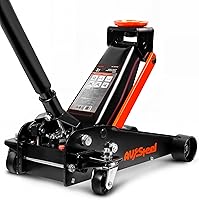
Park it on a flat surface where you can reach all four casters. A 3 ton steel jack like the BIG RED T83006 weighs 36 lb, so clean it where it sits rather than lifting it onto a bench.
Work outdoors or in a well-ventilated spot if you use a degreaser. Wear gloves, since old grease and hydraulic fluid can irritate skin.
How do you clean the frame and saddle?
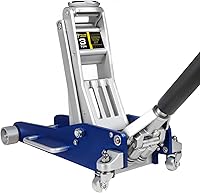
Wipe the frame with a rag and clear the saddle of grit and old grease, then dry the surface so rust doesn't start. The saddle is the flat plate the car rests on, so it collects dust and small stones.
Brush loose dirt off the saddle first, then wipe it with a damp rag. A soft brush reaches the grooves and the lip of the saddle better than a cloth alone.
Check the frame rails and the welds for rust spots. A light rub with fine steel wool takes off surface rust, and a thin coat of oil on bare metal slows it coming back.
Don't soak the frame in water. A damp rag and a quick dry is enough for painted steel; pooled water finds its way into the pump housing and caster mounts.
How do you clean the extra-long saddle neck?
The extra long saddle neck on jacks like the BIG RED T83006 saves time when lifting higher vehicles, but it also gives grit more surface to sit on. Wipe along the neck with the same damp rag.
Run the rag down both sides of the neck and around the joint where it meets the lifting arm. That joint is a pivot, so leave a thin film of oil there rather than a heavy coat of grease.
If your jack has a rubber pad or saddle cover, lift it off and clean underneath. Grit trapped under the pad works against the saddle surface every time you lift.
How do you clean the ram and the hydraulic unit?
Wipe the exposed ram with a clean, dry rag and keep solvents and water away from it. The ram is the shiny piston that rises out of the hydraulic cylinder, and its surface has to stay smooth to seal properly.
Wipe the ram from the cylinder outward in one direction. Don't scrub hard or use an abrasive pad, because a scratch on the ram can let fluid past the seal.
Leave the ram and cylinder dry. Don't coat them with oil or grease; grit sticks to a wet film and can score the surface the next time the jack rises.
Clean around the base of the cylinder where dirt gathers. Use a brush or a rag, not a jet of water, and don't poke anything into the seal area.
When should you stop cleaning and have the jack serviced?
Stop and get the jack looked at if the arm sinks slowly under load, fluid leaks around the ram or the pump feels spongy. Those are hydraulic faults, not dirt.
A slow leak leaves an oily film that attracts dust, so a dirty ram can be the first sign of a seal problem. Wipe it clean and watch whether the film returns.
Never top up or drain hydraulic fluid unless the jack's instructions cover it. Sealed trolley jacks aren't meant to be opened by the owner.
How do you clean the casters and keep them rolling?
Brush grit out of the caster wheels and add a drop of oil to each axle so the jack rolls straight. The two large steel casters and two 360-degree swivel casters on a jack like the T83006 pick up debris from the floor.
Tip the jack onto its side or lift one end to reach the wheels. Use a stiff brush to clear hair and grit-packed grease from the wheel treads and the swivel housing.
Add a drop of light machine oil to each axle and to the swivel point. Wipe off any excess so the wheels don't fling oil onto the garage floor.
Spin each wheel by hand after cleaning. A wheel that drags or wobbles needs attention before you use the jack under a load.
How do you clean the handle and pump linkage?
Wipe the handle with a damp rag and oil the pump linkage where it pivots. The handle is the part your hands touch most, so it collects sweat and dirt.
The handle on the T83006 measures 24.5 inches and comes off for storage. Slide it out, wipe the shaft, and clear any grit from the socket it sits in.
Look at the pump linkage where the handle connects to the lifting mechanism. A few drops of oil on the pins and the pivot keep the pump moving smoothly.
Don't oil the release valve. That part should stay clean and dry so it turns freely and seals when you close it.
How do you deal with rust and road salt?
Rinse salt off with a damp rag as soon as you can, then dry the jack and oil the bare metal. Winter road salt is the main cause of rust on a jack kept in a garage or truck bed.
Don't leave a salty jack sitting for weeks. Salt holds moisture against the steel and starts corrosion at welds and edges.
Wipe the frame with a rag dampened in plain water to lift the salt, then dry it straight away. A light coat of oil on the frame slows surface rust.
For a jack that's already rusty, rub the spots with fine steel wool and touch up the paint where it has flaked. Rust under the paint spreads, so a small repair saves a bigger one later.
How should you store a clean trolley jack?
Store the jack with the arm down and the release valve open, in a dry spot off the floor if you can. Cleaning only lasts if the storage keeps moisture and grit away.
A clean jack kept on a damp concrete floor will rust from underneath. A shelf or a rubber mat helps, and a cover keeps dust off the ram.
Lower the arm fully before storage so the hydraulic seals aren't held under pressure for months. Our guide to how to store a floor jack covers the full routine.
If your garage is damp or unheated, check the frame and ram more often. A quick monthly wipe takes minutes and catches rust early.
How much does cleaning affect a jack's weight and use?
Cleaning won't change a jack's weight much, but grit in the casters makes it roll badly and feel heavier than it is. A 3 ton steel jack like the T83006 weighs 36 lb, and that's what you'll feel lifting it into a truck bed.
The weight matters when you store it overhead or carry it between jobs. Our guide to how much a floor jack weighs covers typical figures by size and type.
Clean casters roll the load instead of dragging it, so the same jack feels easier to move. A dirty wheel can also track grit onto the garage floor and into the jack's own pivot points.
If you use the jack on a 4x4 with big tires, cleaning is more frequent because the jack sits closer to mud and grit. Our roundup of the best trolley jack for 4x4 vehicles looks at jacks with the reach those vehicles need.
Can you clean a trolley jack without taking it apart?
Yes. A rag, a brush and a few drops of oil handle almost every cleaning job, and you never need to open the hydraulic unit.
Taking a sealed jack apart risks losing fluid and damaging seals.
Clean the outside surfaces, clear the casters and oil the moving joints. That covers frame, saddle, ram, handle and wheels without touching the hydraulics.
If you do need to reach the underside, lower the arm first and work on a flat surface. Don't tip a loaded jack or one that's holding a car up.
Always set the car on jack stands before you go under it. The jack lifts; the stands hold.
Our comparison of how much weight a 3 ton jack can lift explains the rating, and the jack stands below carry the load once the car is up.
What's the right cleaning routine for most owners?
Wipe the frame and saddle after every job, and give the casters and pump linkage a few drops of oil about once a season. That routine is enough to keep a trolley jack working and rolling well.
Skip the pressure washer, the solvent soak and the oil on the ram. Those three habits cause more problems than the dirt they remove.
If the jack starts to sink, leak or feel spongy, stop cleaning and stop using it. Hydraulic faults need a service, not a rag.
For the full ownership picture, pair this guide with how much a floor jack weighs when you plan storage, and with how much weight a 3 ton jack can lift when you match a jack to a vehicle.
Frequently asked questions
How often should I clean a trolley jack?
Clean it after any job where it rolled through grit, salt or spilled fluid, and give it a full wipe-down about once a season. A jack kept in a damp garage needs more frequent checks for rust on the frame and ram.
Can I pressure-wash a trolley jack?
No. Keep water out of the hydraulic unit, pump and caster bearings, and use a damp rag instead.
A pressure washer can push grit past seals and leave moisture inside places that rust.
What oil should I put on a trolley jack?
A few drops of light machine oil on the caster wheels, saddle pivot and pump linkage is enough. Don't spray the ram or the hydraulic cylinder with oil or grease, because grit sticks to it and can score the surface.
Why does my trolley jack feel stiff to pump?
Grit or dried grease in the pump linkage is a common cause, so clean and oil the moving parts first. If it still feels stiff, or the arm won't stay up, stop using it and have the hydraulic unit checked.